
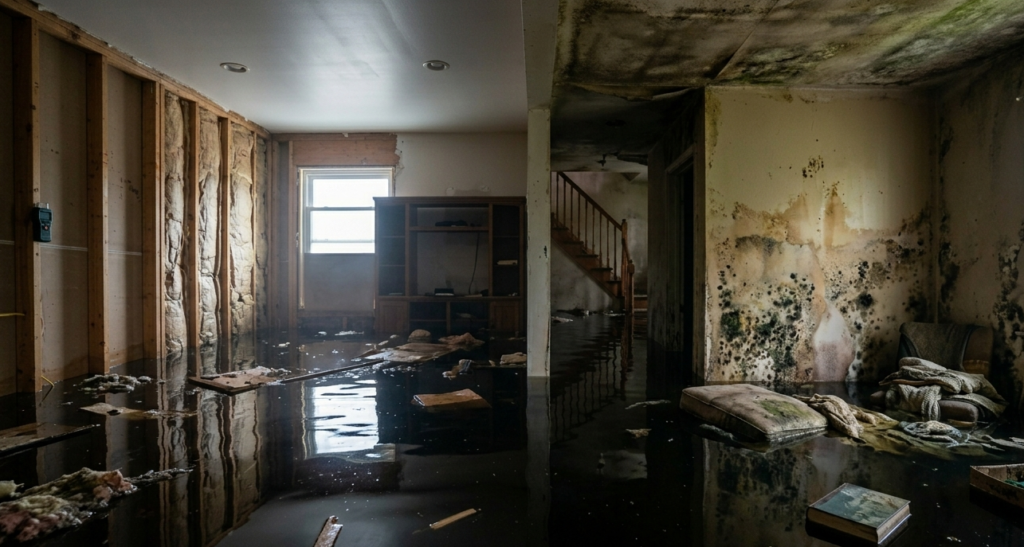
Imagine this: It’s a rainy spring evening in Spokane, and you hear water rushing in your basement. The Spokane River’s seasonal swells or a sudden pipe burst has turned your storage space into a swimming pool. Panic sets in, but don’t worry-recovering from a basement flood is manageable with the right steps. As your local experts at Spokane Water Damage Restoration, we’ve helped countless homeowners in the Spokane area bounce back from water disasters. In this guide, we’ll walk you through a comprehensive, step-by-step process to restore your basement, minimize damage, and prevent future issues. Whether you’re in Spokane Valley or Hillyard, these tips are tailored for our region’s unique climate and challenges.
Understanding Basement Flooding in Spokane
Spokane’s location in the Inland Northwest means basements face unique threats from heavy rains, melting snow, and occasional severe storms. The area’s clay-heavy soils can lead to poor drainage, exacerbating flooding risks. According to local weather data, Spokane sees over 16 inches of annual rainfall, much of it concentrated in fall and spring, which can overwhelm older homes’ foundations.
Common Causes of Basement Floods
Flooding doesn’t always announce itself dramatically. Here are the top culprits in the Spokane area:
- Heavy Rainfall and Poor Drainage: Spokane’s frequent downpours can saturate the ground, causing water to seep through foundation cracks. If your home in Opportunity has outdated gutters, this risk multiplies.
- Plumbing Failures: Burst pipes or leaks from aging infrastructure are common, especially in winter when pipes freeze. Addressing these promptly with professional plumbing leak repair can save thousands.
- Sewage Backups: Clogged sewer lines, often due to tree roots or debris, can back up into basements. This is particularly hazardous in neighborhoods like North Indian Trail, where older plumbing systems prevail.
- Appliance Malfunctions: Water heaters or washing machines failing can create indoor floods, leading to widespread moisture issues.
Understanding these causes is the first step toward prevention and recovery. At Spokane Water Damage Restoration, we often see a mix of these factors in our emergency calls across the Spokane region.
Immediate Steps After Discovering a Flood
Time is critical when water invades your basement every hour of delay can lead to more structural damage, mold growth, and costly repairs. Act fast but safely.
Prioritize Safety First
Before touching anything, ensure your safety:
- Turn Off Electricity: Floodwater conducts electricity. Shut off power to the basement at the breaker box to avoid shocks. If you’re unsure, call a professional immediately.
- Evacuate if Necessary: In cases of sewage involvement, like a backup, leave the area to avoid health risks from contaminants.
- Ventilate Carefully: Open windows if safe, but avoid using fans near electrical outlets.
In Spokane’s variable weather, where floods can follow quickly after storms, these precautions are non-negotiable. We’ve assisted families in Arlington Heights who safely navigated initial chaos by following these basics.
Stop the Water Source
Identify and halt the flow:
- For external flooding, use sandbags or tarps around entry points if rain continues.
- For internal issues, shut off the main water valve. If it’s a pipe burst, our team at Spokane Water Damage Restoration recommends plumbing leak repair services to fix it permanently.
- Document the source with photos for insurance claims this evidence is crucial for coverage in Washington state policies.
Practical tip: Keep a flashlight, rubber boots, and a water shut-off key handy in your Spokane home’s utility area for quick access.
Assessing the Damage
Once the immediate danger passes, evaluate the extent of the flood. This phase helps you understand the scope and plan recovery.
Document Everything
Take detailed photos and videos of the water levels, affected items, and structural elements like walls and floors. Note the time of discovery and any actions taken. This documentation not only aids insurance but also guides professionals like us at Spokane Water Damage Restoration in creating a tailored restoration plan.
Initial Inspection Tips
- Check for visible structural damage, such as bowed walls or cracked foundations-common in Spokane’s expansive soils.
- Look for hidden issues, like water in HVAC systems, which can spread contaminants throughout your home.
- Use a moisture meter testing tool if available, or call experts to detect dampness behind walls.
Our experience in local floods shows that early assessment prevents mold, which thrives in Spokane’s humid post-rain conditions.
Water Extraction and Drying Process
Removing water is the backbone of recovery. Standing water breeds bacteria and weakens materials.
Extracting Standing Water
- DIY Methods: For minor floods, use wet-dry vacuums or pumps. Rent equipment from local Spokane hardware stores if needed.
- Professional Help: For deeper water (over 2 inches), contact Spokane Water Damage Restoration for industrial pumps. We use high-powered extractors to remove water efficiently, often within hours.
Actionable advice: Remove as much water as possible within the first 24 hours to limit damage. In severe cases, like those from Spokane’s flash floods, pros can extract thousands of gallons safely.
Thorough Drying Techniques
Drying isn’t just about fans it’s a science:
- Set up dehumidifiers and air movers to circulate dry air. Aim for 40-50% humidity levels.
- Remove saturated items like carpets and drywall to speed drying; these often harbor mold if left.
- Monitor progress with moisture meters every 24 hours.
In the Spokane area, where summers can be dry but basements stay cool and damp, proper drying takes 3-5 days. Link this to our moisture meter testing for precise monitoring.
Tip: Elevate furniture on blocks and avoid walking on wet carpets to prevent spreading contaminants.
Cleaning, Sanitizing, and Repairing
After drying, focus on hygiene and restoration to make your basement livable again.
Cleaning and Disinfecting
Water, especially from sewage, carries pathogens. Clean thoroughly:
- Use EPA-approved disinfectants on all surfaces. For organic materials, scrub with a bleach solution (1 cup per gallon of water).
- Discard porous items like insulation or particleboard that absorbed water they’re mold magnets.
- If sewage was involved, opt for sewage backup cleanup to handle biohazards safely.
Local note: Spokane’s water quality can vary with river influences, so post-flood sanitizing is vital for health.
Structural Repairs
Repair damaged elements:
- Patch foundation cracks with hydraulic cement.
- Replace warped flooring and drywall.
- For upper-level issues from leaks, consider attic water damage repair if the flood affected multiple areas.
Hire certified contractors for electrical or HVAC work to meet Spokane building codes.
Practical tip: Seal walls with waterproof paint post-repair to boost resistance against future moisture.
Preventing Future Basement Floods in Spokane
Recovery is only half the battle-prevention ensures long-term peace of mind.
Proactive Measures
- Install sump pumps and battery backups, essential for Spokane’s power outages during storms.
- Improve grading around your foundation to direct water away; extend downspouts at least 5 feet from the house.
- Schedule annual inspections, including moisture meter testing, to catch issues early.
- Consider flood barriers or French drains for high-risk homes near the Spokane River.
In neighborhoods like Opportunity, where flooding is more common, these upgrades pay off quickly.
Tip: Review your homeowner’s insurance for flood coverage standard policies often exclude it, so add riders for Spokane’s risks.
FAQ: Basement Flood Recovery Questions
1. How soon should I call professionals after a basement flood?
Immediately! Delaying can lead to mold and structural issues. Spokane Water Damage Restoration offers 24/7 emergency response in the Spokane area.
2. Can I clean up a minor flood myself?
For small, clean water incidents, yes-but use proper PPE and tools. For anything involving sewage or extensive damage, call experts to avoid health risks.
3. How long does basement flood recovery take?
It varies: Extraction in hours, drying in days, full restoration in weeks. Factors like water category and home size influence timelines.
4. Does insurance cover basement flooding in Spokane?
It depends—sudden leaks yes, but gradual floods or external water often no. Document everything and consult your agent.
5. How can I prevent mold after drying?
Maintain low humidity, fix leaks promptly, and use dehumidifiers. Professional sewage backup cleanup includes antimicrobial treatments.
Conclusion: Restore Your Spokane Basement Today
Basement floods can be overwhelming, but with this step-by-step guide, you’re equipped to handle recovery effectively. From safety checks to final repairs, each phase builds toward a drier, safer home. Remember, Spokane’s weather demands vigilance, but professional support makes it easier.
At Spokane Water Damage Restoration, we’re committed to serving the Spokane area with fast, reliable service. Don’t let water damage linger-contact us today for a free assessment and personalized recovery plan. Call now at (509) 123-4567 or visit our site to schedule. Your peace of mind starts here!
Leave a Reply