
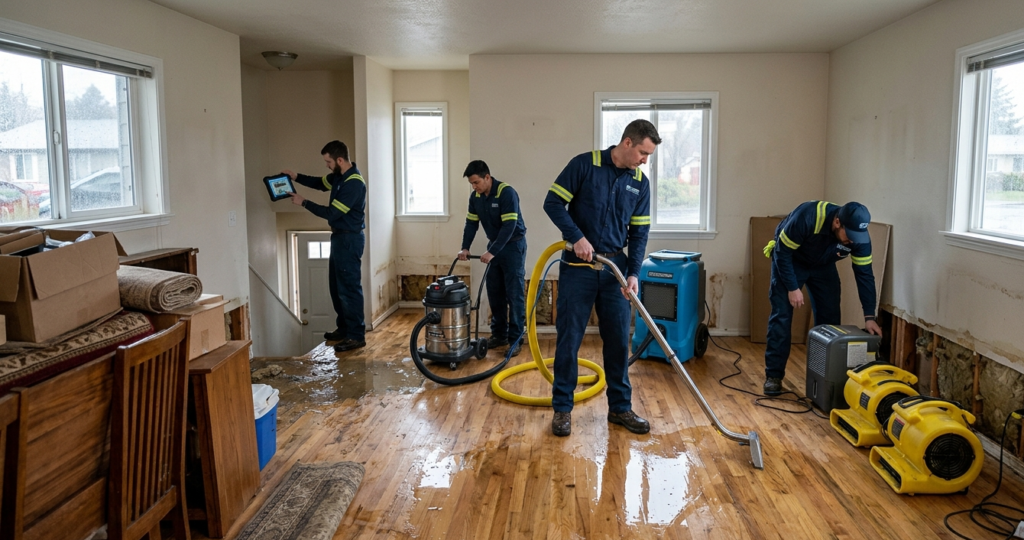
Imagine waking up to water pooling in your living room or seeping through the basement walls after a heavy Spokane rainstorm. Floods can strike suddenly, especially in our region prone to spring thaws and intense downpours, leaving homeowners overwhelmed and unsure where to start. The good news? Acting swiftly in those initial 24 hours can drastically reduce damage, protect your health, and save you thousands in repairs. At Spokane Water Damage Restoration, we’ve helped countless families in Spokane navigate this chaos, from Downtown Spokane high-rises to cozy homes in Spokane Valley. In this guide, we’ll walk you through essential actions to take right away, drawing on our years of local expertise to ensure your home bounces back faster.
Call us anytime at (509) 508-5677, we answer 24 hours a day, 7 days a week.
Understanding the Immediate Impact of a Flood on Your Spokane Property
When a flood hits your Spokane home, time is your biggest ally against escalating problems. Water intrusion doesn’t just create puddles—it sets off a chain reaction that can compromise your home’s structure, foster harmful mold growth, and contaminate your living spaces. In the Pacific Northwest, our clay-heavy soils and frequent wet weather mean floods often involve groundwater or stormwater, which carries silt, chemicals, and bacteria from nearby rivers like the Spokane River.
The “what” boils down to assessing the situation and containing the damage. First, identify the water source: Is it a burst pipe, roof leak, or external flooding? Categorize the water—clean (from a supply line), gray (from appliances), or black (sewage-tainted)—as this dictates urgency. Black water poses immediate health risks due to pathogens, requiring professional intervention.
Why act in the first 24 hours? Waterlogged materials like drywall, wood, and insulation absorb moisture rapidly, leading to warping, rot, and mold spores that thrive in Spokane’s humid climate. According to industry standards from the Institute of Inspection Cleaning and Restoration Certification (IICRC), extraction within hours can prevent up to 80% of secondary damage. Delaying allows hidden moisture to spread, potentially affecting electrical systems and HVAC, which could lead to costly overhauls.
To break it down:
- Safety First: Turn off electricity to avoid shocks; floods often short-circuit wiring in older Spokane homes built in the mid-20th century.
- Document Everything: Take photos and videos for insurance claims—Spokane’s insurers like State Farm emphasize detailed records.
- Ventilate Carefully: Open windows if safe, but avoid fans blowing over wet areas to prevent spore spread.
- Remove Standing Water: Use wet vacs or pumps for shallow floods; deeper water needs pros to avoid contamination.
In our experience at Spokane Water Damage Restoration, we’ve seen floods from roof leak restoration turn minor if addressed promptly, but ignored, they lead to full residential water damage rebuilds. Local building codes in Spokane County require specific drying techniques to comply with health regulations, ensuring your home meets safety standards post-restoration.
Step-by-Step Guide: Actionable Steps for the First 24 Hours
Now that you understand the stakes, let’s get practical. These steps are tailored for Spokane homeowners, considering our variable weather—think sudden snowmelt flooding basements in neighborhoods like Northtown—and older housing stock with crawl spaces vulnerable to rising dampness. Always prioritize personal safety; if the water is deep or electrically hazardous, evacuate and call professionals immediately.
- Secure the Area (0-1 Hour): Evacuate family and pets. Shut off the main water valve to prevent further influx, especially if it’s an internal leak. In Spokane, where homes often connect to municipal lines, this simple turn can halt 70% of damage.
- Assess and Extract Water (1-4 Hours): Wear protective gear—rubber boots, gloves, and masks—to wade in and gauge depth. For minor floods, use a shop vac or buckets to remove standing water. Pump out deeper accumulations, but if it’s over 2 inches, contact experts for flood damage restoration to handle potential contaminants from local stormwater.
- Remove Wet Items (4-12 Hours): Salvage valuables by moving them to dry areas. For furniture, prop up with blocks; electronics should be dried separately. In Spokane’s cooler temps, avoid outdoor drying to prevent freezing—bring items inside or use fans judiciously.
- Dry and Dehumidify (12-24 Hours): Set up dehumidifiers and fans to circulate air, focusing on walls and floors. Cut out saturated drywall up to 12-18 inches high, as per IICRC guidelines, to allow drying. Spokane’s regulations on waste disposal mean bagging wet materials properly for curbside pickup or safe debris disposal.
Local factors play a big role: Our area’s alkaline water can corrode metals faster, so rinse salvaged items with fresh water. Housing types like ranch-style homes in Millwood have slab foundations that trap water, requiring targeted drying to avoid cracks.
Pro Tip: An insider secret from our team—test for moisture with a cheap hygrometer before assuming an area is dry. In Spokane’s variable humidity, what feels dry might still harbor 20% moisture, inviting mold. If you’ve got a kitchen flood cleanup situation, prioritize appliances to prevent bacterial growth in cabinets.
Following these steps methodically can stabilize your home, but remember, they’re no substitute for pros in severe cases.
Common Mistakes Homeowners Make in the First 24 Hours After a Flood
Even well-intentioned Spokane residents often trip up in the flood’s aftermath, turning a manageable issue into a nightmare. One frequent error is ignoring safety protocols, like entering flooded basements without checking for gas leaks or structural instability—our area’s seismic activity near the Cascades amplifies collapse risks, potentially leading to injuries or fatalities.
Another pitfall: Attempting full DIY cleanup without proper equipment. Homeowners might use household fans on wet carpet, spreading contaminants and delaying true drying, which fosters black mold. This not only endangers respiratory health—especially for kids and elderly in Fairchild AFB families—but racks up bills, as mold remediation averages $2,000-$6,000 extra.
Overlooking documentation is costly too. Skipping photos means weaker insurance claims; Spokane adjusters require proof, and without it, you could lose coverage for residential water damage. Finally, delaying professional help—thinking “it’ll dry on its own”—ignores hidden damage. In our damp climate, undetected moisture leads to wood rot and electrical fires, with repair costs soaring 5x within weeks.
Avoid these by sticking to basics and calling in experts early; the financial hit from mistakes often exceeds $10,000, per local claims data.
FAQ
Q: Do you provide flood damage restoration near me in Spokane?
A: Yes. Spokane Water Damage Restoration serves all of Spokane and surrounding areas including Spokane Valley, Cheney, Liberty Lake, Mead, Dishman, and Airway Heights. We are a local Spokane company – not a national call center – so when you search “flood damage restoration near me,” you are reaching a crew that can actually be at your door within 60 minutes. Call us anytime at (509) 508-5677, we answer 24 hours a day, 7 days a week.
Q: Do you offer 24/7 emergency flood cleanup in Spokane?
A: Yes, we respond to flood and water damage emergencies 24 hours a day, 7 days a week, including nights, weekends, and holidays. When you call (509) 508-5677, a real person answers – not a voicemail. We dispatch a crew immediately and aim to arrive at your Spokane property within 60 minutes. The faster water is extracted, the less structural damage and mold risk your home faces, which is why we treat every call as an emergency regardless of the time.
Q: Does homeowner’s insurance cover flood and water damage restoration in Spokane?
A: Most standard homeowner’s insurance policies in Washington State cover sudden and accidental water damage – such as a burst pipe, appliance overflow, or roof leak during a storm. They typically do not cover damage caused by long-term neglect or rising groundwater flooding. If you are unsure what your policy covers, call us at (509) 508-5677 and we will help you understand your options. We work directly with all major insurance carriers, communicate with your adjuster on your behalf, and provide full photo documentation and moisture reports to support your claim. Our goal is to make the insurance process as smooth as possible so you can focus on getting your home back to normal.
Q: Can you clean up a flooded basement in Spokane?
A: Absolutely. Flooded basements are one of the most common emergencies we handle across Spokane, especially during spring snowmelt and heavy rain events. We pump out standing water using industrial extractors, dry the walls and concrete slab with commercial dehumidifiers and air movers, apply antimicrobial treatment to prevent mold, and inspect the entry point so it can be addressed. Most Spokane basement flood cleanups are completed within 2 to 5 days depending on severity. If your basement is flooded right now, call (509) 508-5677 immediately – every hour of standing water increases the damage and mold risk.
Wrapping Up: Protect Your Spokane Home from Flood Aftermath
In summary, the first 24 hours after a flood demand quick safety checks, water extraction, item removal, and initial drying—tailored to Spokane’s unique challenges like wet soils and weather patterns. By acting decisively, you minimize health risks, structural harm, and expenses, setting the stage for full recovery.
If this feels overwhelming or the damage is extensive, let Spokane Water Damage Restoration handle it. As your local authority, we’ve restored homes across the area with cutting-edge techniques and compassionate service. Visit our about us page to learn more about our commitment to Spokane families.
Need help with what to do in the first 24 hours after a flood in your Spokane home? Call Spokane Water Damage Restoration today at (509) 508-5677.
Leave a Reply